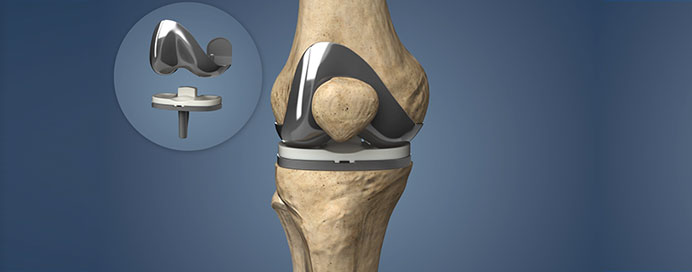
Knee Joint Replacement, also known as Total Knee Arthroplasty (TKA), is a proven surgical procedure performed to relieve chronic knee pain, correct deformity, and restore smooth joint movement in patients with advanced knee joint damage. The damaged surfaces of the knee joint are replaced with high-quality artificial implants that replicate the natural movement of a healthy knee.
Conditions That Require Knee Joint Replacement
Knee replacement may be advised for patients suffering from:
- Osteoarthritis of the knee
- Rheumatoid arthritis
- Post-traumatic arthritis
- Severe knee deformity (bow-leg or knock-knee)
- Advanced cartilage wear
- Persistent pain limiting walking, climbing stairs, or daily activities
Types of Knee Joint Replacement
Based on the extent of damage and patient needs, different procedures may be performed:
- Total Knee Replacement (TKR) – Entire knee joint is replaced
- Partial (Unicondylar) Knee Replacement – Only the damaged portion is replaced
- Cemented Knee Replacement – Implant fixed with bone cement
- Uncemented Knee Replacement – Implant fixed through bone growth
- Minimally Invasive Knee Replacement – Smaller incision and faster recovery
The Surgical Procedure
- Removal of damaged cartilage and bone
- Reshaping of the femur and tibia
- Placement of metal and plastic implant components
- Ensuring proper alignment, stability, and movement

 Phone No. +91 7583030130
 Mail id neerajshetty10@gmail.com